
BREMERTON — Bremerton water, sewer and stormwater customers will pay about 3% more starting in January.
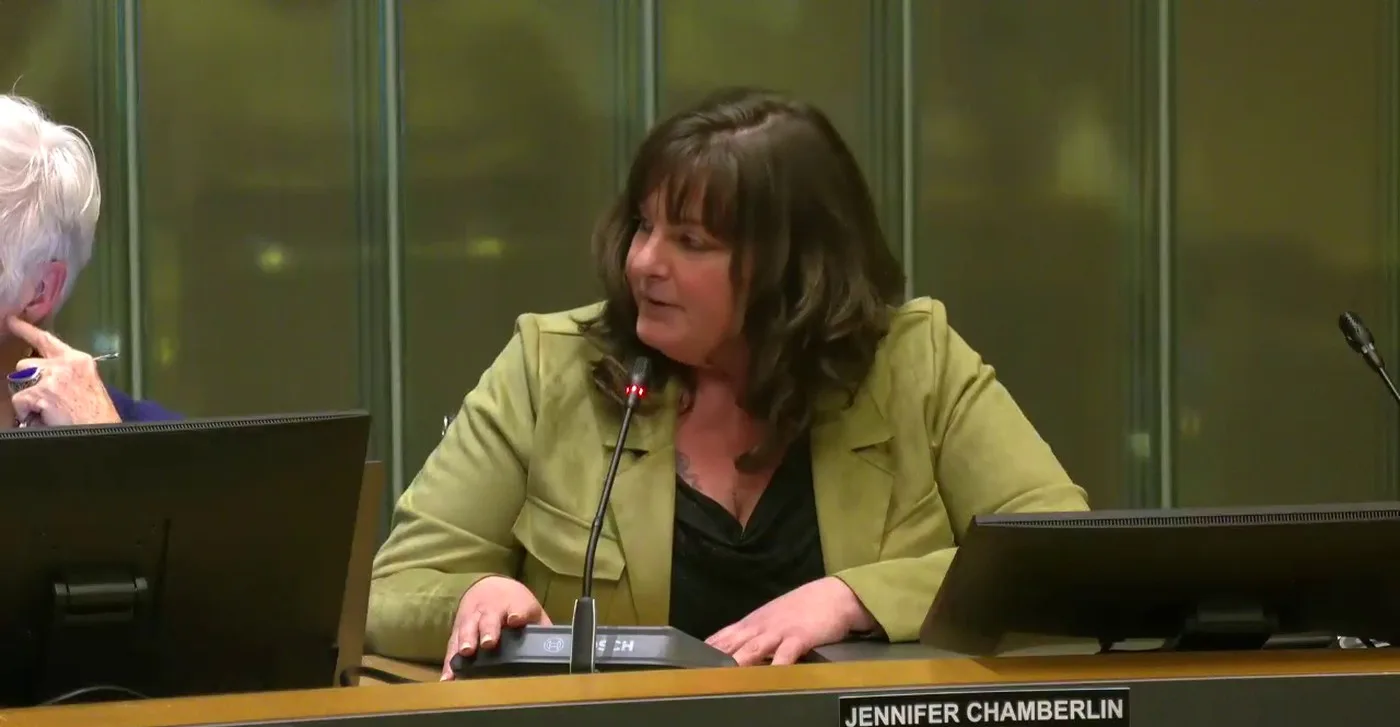
The Bremerton City Council voted 4-2 on Wednesday, Nov. 4, to raise the city’s three utility rates 3% for 2027. Council President Jane Rebelowski, Vice President Denise Frey and Councilmembers Anna Mockler and Christy Cammarata voted yes. Councilmembers Jennifer Chamberlin and Rick Tift voted no. Councilmember Michael Goodnow was absent.
For a typical single-family home using 600 cubic feet of water a month, the combined monthly bill rises from $133.73 to $136.81, or $3.08, according to the city’s presentation. Across all three utilities, the increase will bring in about $1.3 million more a year, Finance Director Mike Riley said, including about $39,000 more in city utility tax for the general fund.
What changes
The new rates take effect Jan. 1, 2027. For inside-city customers:
- Water: the base charge for a standard 5/8-by-3/4-inch meter goes from $16.85 to $17.36 a month, and residential water goes from $2.91 to $3 per hundred cubic feet.
- Wastewater: the single-family base charge goes from $42.62 to $43.90 a month, and the usage charge goes from $5.73 to $5.90 per hundred cubic feet.
- Stormwater: the residential base charge goes from $26.43 to $27.22 a month.
- One-time general facility charges for new connections rise 3.64%, tracking a construction cost index set by city code.
Customers outside city limits pay 150% of the inside-city rates, and the 3% increase applies to those rates too. The 40% discount for qualifying low-income, senior and disabled customers stays in place.
The city also added a $100 fee for meter tampering that doesn’t damage equipment, such as cutting the lock on a shut-off meter. Riley said the city’s damage-related tampering charge, which runs more than $500, can stack up quickly for customers already behind on their bills. “Our goal is to get people out of arrears and get them back in good standing,” he said. Other service fees go up as well, including the delinquency notice, from $30 to $45.
'Lowest among the municipalities'
Riley said the increase is below inflation: the June-to-June consumer price index rose 3.8% and the utilities’ own costs rose 4.2%. He said electricity is a major driver. Puget Sound Energy raised rates 19% last year and is seeking a 30% increase that is being challenged, he said. Rebelowski said the city now pays PSE about $250,000 a month, much of it for water production, the sewage treatment plant and streetlights.
Riley’s comparison showed Bremerton’s 2027 combined bill below every city on the list, all of them using their 2026 rates: Gig Harbor at $156.82, Poulsbo at $160.83, Port Orchard at $169.67 and Bainbridge Island at $195.36. Kitsap County with the Kitsap Public Utility District, the only other 2027 rate, came in at $182.48.
Tift questioned that framing. “I often hear we’re the lowest around, and we’re the lowest around among cities maybe, but we’re not the lowest around,” he said, pointing to water systems that charge less. He said sewer and stormwater, not water, drive residents’ bills. “Everybody has to have water,” he said. “It’s not something that you can decide to go without for a month or two months.”
Chamberlin asked staff to add the area’s water districts to the comparison, naming Silverdale Water District, Manchester Water District, North Perry Avenue Water District and West Sound Utility District, and to show an example bill. “I guess I’m uncomfortable with agreeing to a utility rate increase when I don’t have the full data of a cost comparison,” she said. She also noted that many renters never see the bill. Riley said a tenant who isn’t named on the account can’t get its details.
Riley said staff can add Silverdale Water, North Perry and West Sound Utility to future comparisons. He said the city also runs the Rocky Point water system.
'Not a business model that's sustainable'
Frey said the city can’t keep absorbing costs that rise faster than its rates. “We cannot simply keep moving on with our costs going up well more than three percent and not making adjustments in our fee structure,” she said. “That’s just not a business model that’s sustainable.”
Mockler asked Riley how much rates rose during the pandemic. “Zero,” he said. Riley also said more than $5 million in federal pandemic relief money is paying for stormwater quality projects that would otherwise have pushed rates higher.
Rebelowski said outside-city customers pay more because the city’s reservoir can’t supply everyone, so it has to drill wells and treat the water for minerals such as manganese. “If you wanna live in the city of Bremerton, you can annex in,” she said. She also asked whether renters whose landlords pass along water costs can get the low-income discount. Riley said renters are eligible, but he would need to check how it works for tenants who pay a share of a building’s bill.
Before the vote, Riley said staff had corrected the rate table after comments from councilmembers and the public. Outside-city fees that had been listed as “N/A” now show the actual charge, and several numbers a resident flagged in written comments were fixed.
Customers who pay online can now track their water use in near real time through the city’s new customer portal, Riley said. The city also monitors usage around the clock and calls customers when it spots a likely leak.
The full 2027 rate schedule is in the Nov. 4 council agenda packet on the city’s website, bremertonwa.gov. The council’s next budget workshop is Thursday, Nov. 5, at 3 p.m.
Leave a Reply