
BREMERTON — Getting a septic system designed, opening a restaurant or running a public pool in Kitsap County would cost more next year under fee increases the Kitsap Public Health District proposed Tuesday. The increases would also add a first-ever charge to local schools for state-required health and safety inspections.
The proposal would raise the base hourly rate behind nearly every environmental health fee from $150 to $175, about 17%. The rate hasn’t been recalculated since 2017.
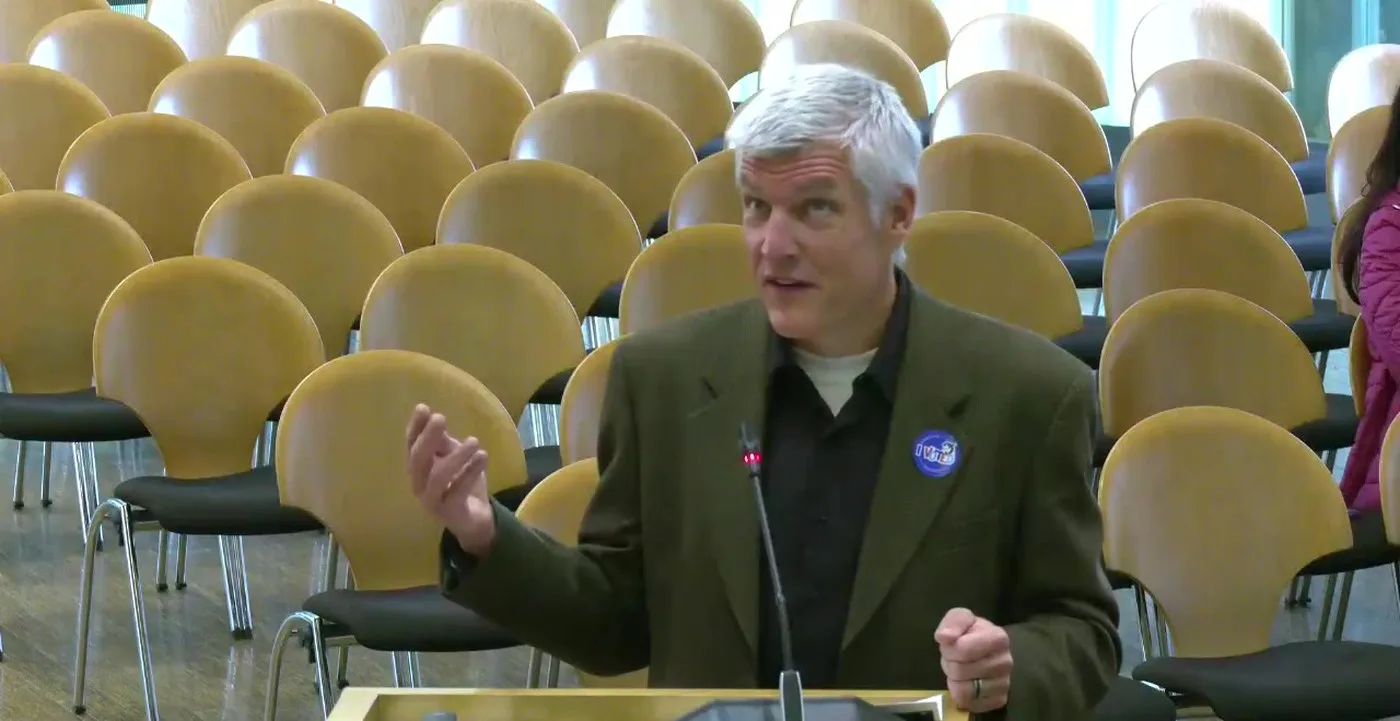
“When we change the hourly rate, it affects all fees,” Environmental Health Director John Kiess told the Kitsap Public Health Board. “When the tide is going up, all the boats float higher.”
The board took no vote. Members gave staff the go-ahead to release the draft fee schedule for public comment. A public hearing is set for the board’s Dec. 1 meeting, where members could adopt the new fees. They would take effect Jan. 1.
What would change
Examples from the district’s draft 2027 fee schedule:
- Septic system design review (building site application) for a single-family home on a private well: $1,085 to $1,300. On public water: $820 to $1,000.
- Residential building clearance: $335 to $400.
- Annual Group B public water system operating permit: $75 to $90, its first increase since the permit was created in 2018.
- Annual permit for a high-risk permanent food establishment: $800 to $840. Low-risk permit: $340 to $370.
- Food establishment plan review: $855 to $900. The district would fold the separate $165 change-of-ownership fee into the plan review, because ownership changes now usually involve new menus or equipment, Kiess said.
- Temporary event food permits would rise, and vendors selling permit-exempt foods would pay a new $50 review fee. That review is now free.
- Public pool or hot tub permit: $1,040 to $1,103.
- New school health and safety inspection fee: $525 for schools serving grade 8 and below and $875 for schools that include grade 9 or above.
Schools would pay for the first time
The district has inspected public and private school buildings every other year for about seven years, as state rules require. Inspectors check lighting, heating and cooling, noise, moisture and ventilation, and how science classrooms store chemicals and hazardous waste.
State Foundational Public Health Services money has paid for that work. “Those dollars have disappeared, and we expect to keep disappearing to some degree,” Kiess said. The district’s memo says no other funding source exists, so the fee would be billed to schools.
Because inspections come every two years, schools would pay the fee every other year. Kiess said the district may stretch the interval to three years for schools that consistently pass.
Board member Stephen Kutz, health policy director for the Suquamish Tribe, said setting the fee could be difficult. The State Board of Health is rewriting the school environmental health rules for the first time in more than 20 years.
Closing deficits
The district says the increases would shrink 2027 deficits in all three fee-funded programs:
- Food and pools: from $464,000 to $156,000. The program has no reserve fund. If fees aren’t raised, the district says it would have to shift other money into the program or cut staff, and staffing cuts would likely leave it unable to inspect restaurants as often as the state requires.
- Drinking water and onsite sewage: from $539,000 to $196,000. The district has been spending down that program’s reserve to keep fees flat. If fees stay the same, it says, staff cuts would likely slow septic and well application approvals.
- Solid and hazardous waste: from $562,000 to $524,000. Fees make up only a small part of that program’s revenue.
Altogether, that’s about $690,000 a year.
Port Orchard Mayor Rob Putaansuu said he supports the increases, reluctantly. “I don’t like raising fees. I understand why we need to, to cover our costs to do business,” he said. “I’d look at this differently if we weren’t being asked to prepare or approve a deficit budget.”
Even at $175, Kitsap’s rate would be lower than in several comparable health jurisdictions, according to the district’s memo. It lists 2026 base rates of $275 in Thurston County, $240 in Tacoma-Pierce County, $235 in Snohomish County, $189 in Clark County and $180 in Spokane County.
Bremerton Mayor Greg Wheeler said the board usually passes along requirements set by state agencies. “We’re raising the fee just for … mainly inflation. The cost of doing business is going up. We’re finally trying to catch up,” he said.
Birth certificates and notary fees
A separate administrative fee proposal would add a $1 processing fee to birth and death certificates. The $25 certificate price is set in state law and can’t be raised to cover processing costs, according to Finance Manager Melissa Laird. Notary fees would rise from $10 to $15 to match a state rule change, and shipping and handling from $4.50 to $5.
Laird said the district is one of the only counties offering same-day birth and death certificates with no extra same-day charge.
Only elected members vote
Under the board’s rules, only the elected officials on the board vote on fees, while the full board votes on the budget, Chair and Kitsap County Commissioner Christine Rolfes said.
Rolfes said she’s wary of adopting fees the same day as a hearing. Kiess and Putaansuu said the fees and the 2027 budget, which must pass in December, are tied together. If adoption of the fees were delayed past Dec. 1, the board could have to reopen the budget.
How to comment
The district says it will send the draft fee schedule to permit holders, schools and the public. Written comments can be emailed to healthboard@kitsappublichealth.org. Comments go to board members and are posted with the meeting packet. The Dec. 1 meeting is in the Norm Dicks Government Center, 345 Sixth St., Bremerton. Meeting materials are at kitsappublichealth.org.
Leave a Reply