
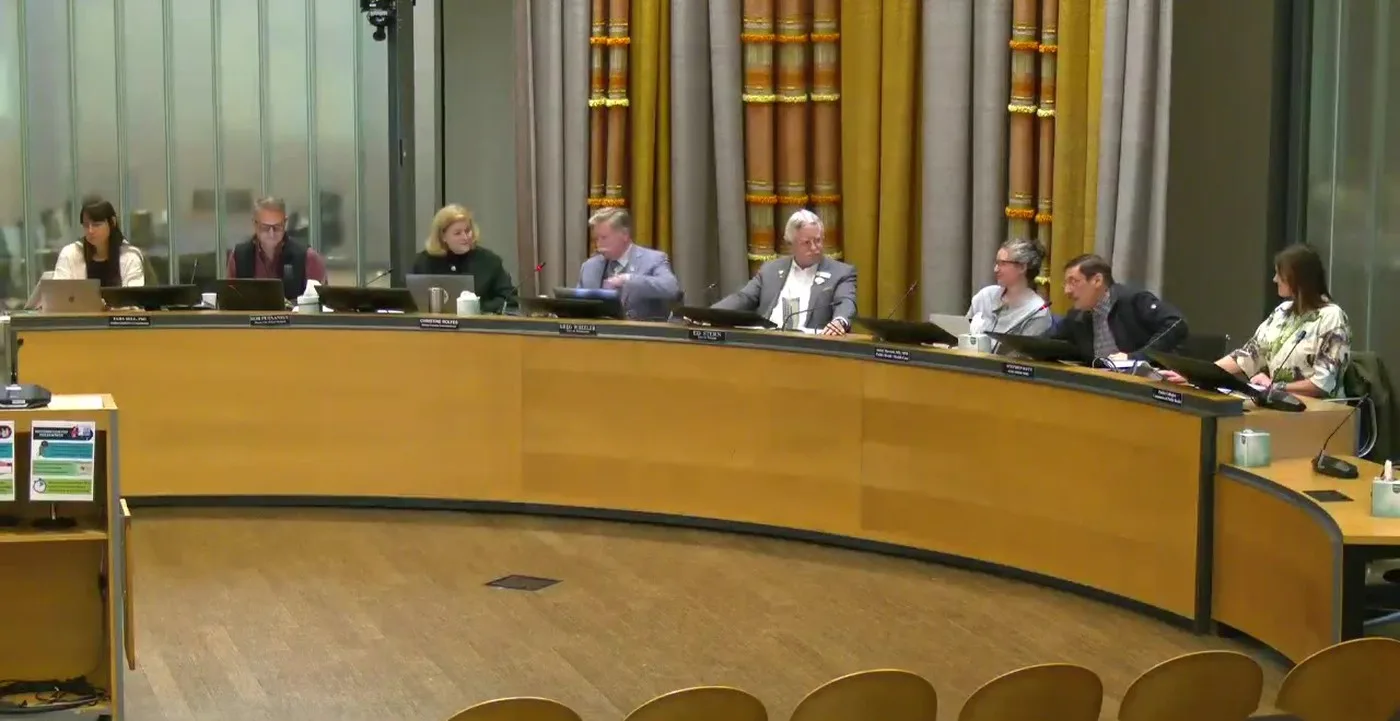
BREMERTON — Kitsap Public Health District plans to spend $17.6 million next year, a little less than this year. To balance the budget, it would use up to $2 million from reserves while state funding keeps falling.
Finance Manager Melissa Laird presented the draft 2027 budget to the Kitsap Public Health Board on Tuesday. Projected spending is $17,607,313, down about $238,000, or 1.3%, from 2026.
The district gets less of the state’s Foundational Public Health Services money, which pays for core public health work. That funding peaked at $3.65 million a year and falls to $2.92 million for 2026-27, a cut of $641,000 from the year before. Laird said leaders expect more cuts.
By the numbers
- Revenue: down about $250,000, mostly in contracts and grants and state public health funding.
- Reserves: about $1 million in unrestricted funds plus, if needed, about $1 million from restricted reserves for drinking water and onsite sewage, solid and hazardous waste, and the Nurse-Family Partnership program.
- Staff: about 106 full-time-equivalent positions. That’s down from about 140 in 2022, during COVID, and mostly reduced through attrition, Laird said. Personnel makes up 80% of spending.
- Non-personnel costs: down 3.5%.
- Local contributions: requests to the county and cities on the board are unchanged from 2026.
The district’s cash and investments total about $14.6 million, according to the budget memo. That’s well above the board’s minimum of two months of operating costs, about $3 million. Laird said the balance should drop to roughly $12 million to $13 million by the end of the year.
'Always a deficit budget'
Port Orchard Mayor Rob Putaansuu said it was his 12th health district budget presentation. “Every one of ’em … You always present a deficit budget. And we always seem to get grants and things to cover that,” he said. He asked whether the district was eating into its reserves.
Laird said the district has never used as much of its reserves as it budgeted, in her nine years there. She said it budgets conservatively, counting only revenue it has contracts for or is very sure to get, and has spent down the drinking water and septic reserves on purpose to keep fees flat. Leaders are working to bring the budgeted reserve use closer to what the district actually spends, she said.
Board member Dr. Tara Sell asked how the plan holds up once those reserves run out. Laird said the program would rely on staff attrition and, if needed, fee increases.
The draft does not include the environmental health fee increases also presented Tuesday. Staff estimated those would cut program deficits by about $690,000.
Next steps
The board’s finance committee will review a program-by-program version Nov. 10. The board is scheduled to adopt the budget at its Dec. 1 meeting, when it will also hold a public hearing on the fee increases.
Leave a Reply